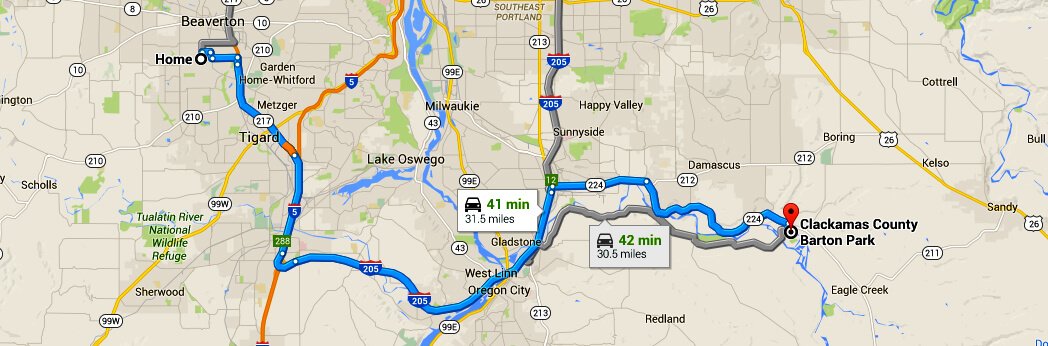
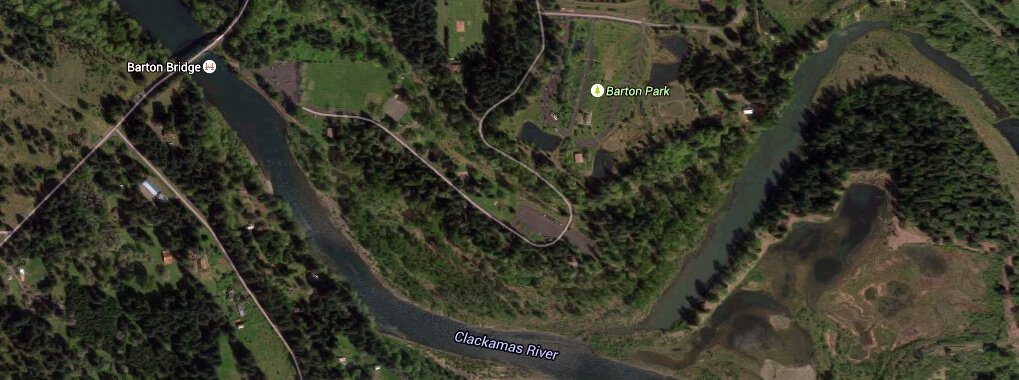
To test the real-world range of AC/DC (my 2012 Nissan Leaf), I decided to drive it from my home in Beaverton, Oregon to Barton Park on the Clackamas River, where my company was shooting a commercial. According to Google Maps, this was 31.5 miles one way, requiring at least 63 miles of range to complete my excursion. With its EPA-rated range of 73 miles, I was confident AC/DC would take me there and back without issue.
I figured the worst that could happen would be needing to find a level 2 charging station on the way home and spend an hour adding a little range while the Leaf’s onboard 3.3kw inverter* slowly turned AC into DC. Or with luck, I’d get access to a DC fast-charge station and rapidly blast some range back in with 480 DC direct volts. Hedging my bets, I studied the PLUGSHARE MAP in advance.
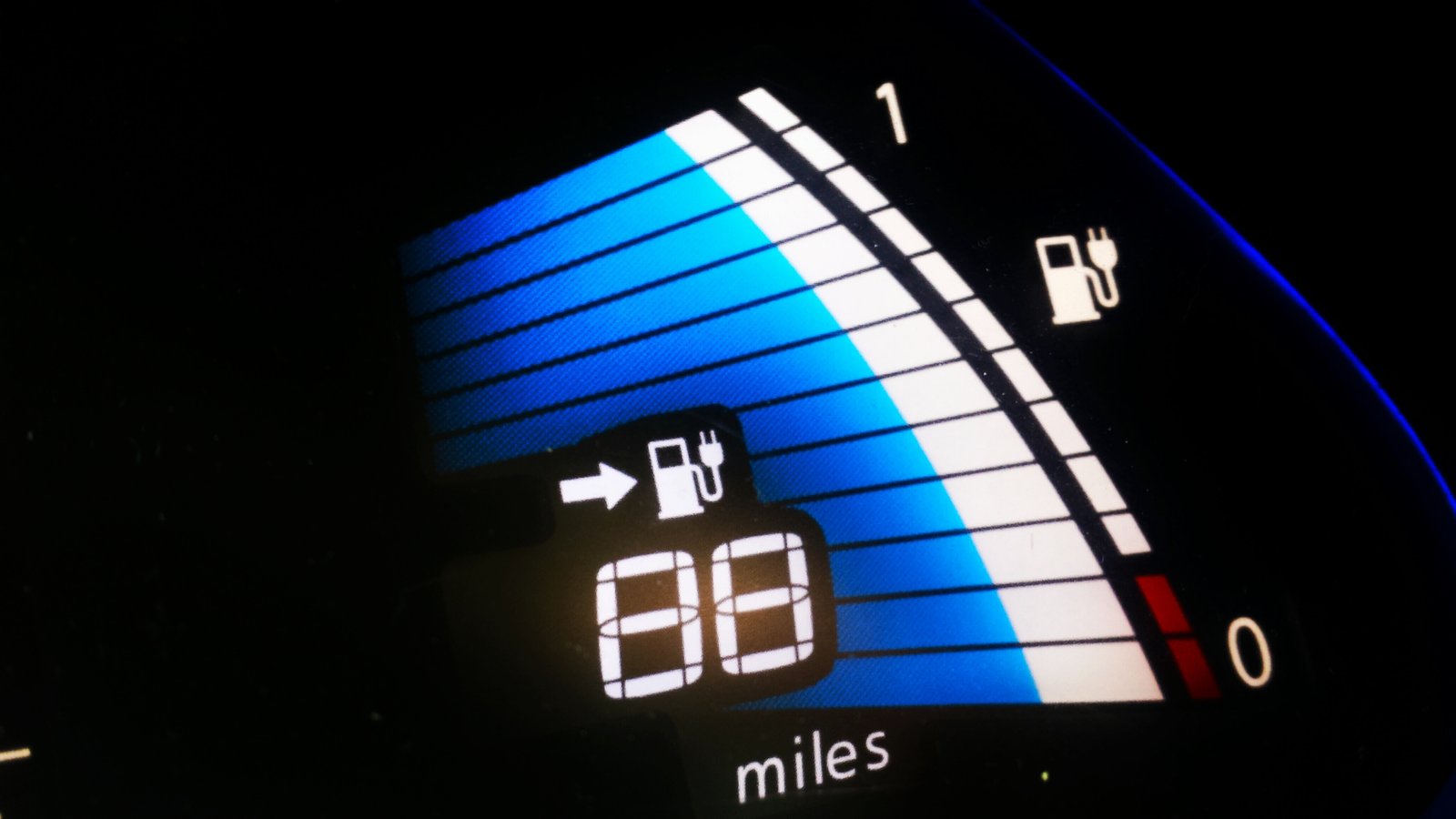
Fully charged, with 88 miles displaying on my range meter, I set out for Barton Park on the first morning of our shoot. Being fully aware of how the range meter is a “guess” at possible range, I suspected that my actual miles would be less. My guess was 70 miles – 3 miles less than the EPA rating. Because the range meter can only process the data being currently received to determine how far your Leaf might be able to go, HOW you are driving at the moment heavily influences this prediction. Along the way, I watched as the range meter’s decline outpaced my actual miles traveled. I was not surprised.
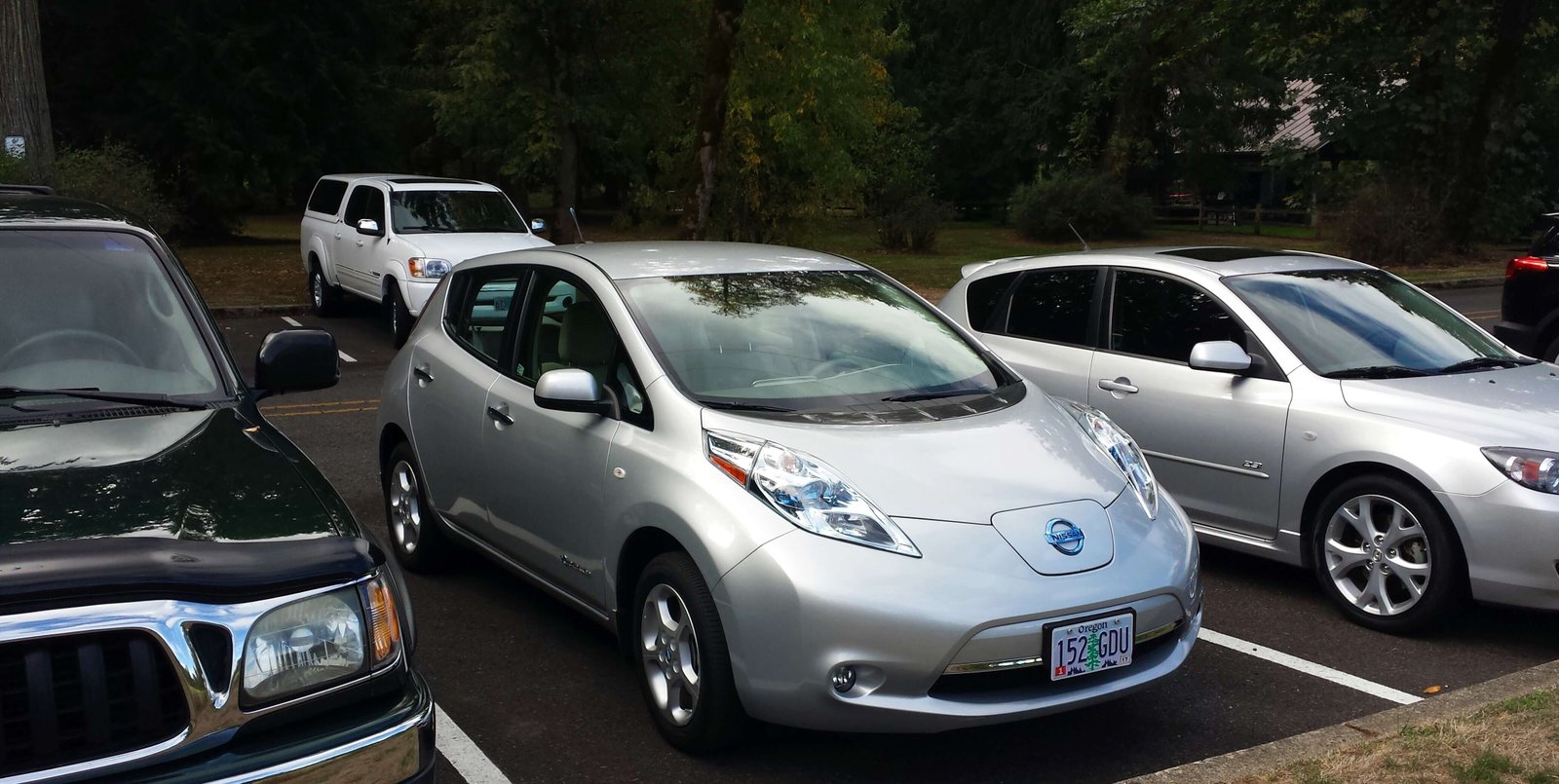
By the time I reached Barton Park, my odometer displayed 32.3 elapsed miles. Simple math would suggest that the range meter should now read 55.7 miles for my drive home. AC/DC had another potential range in mind – 41 – almost 15 miles less.
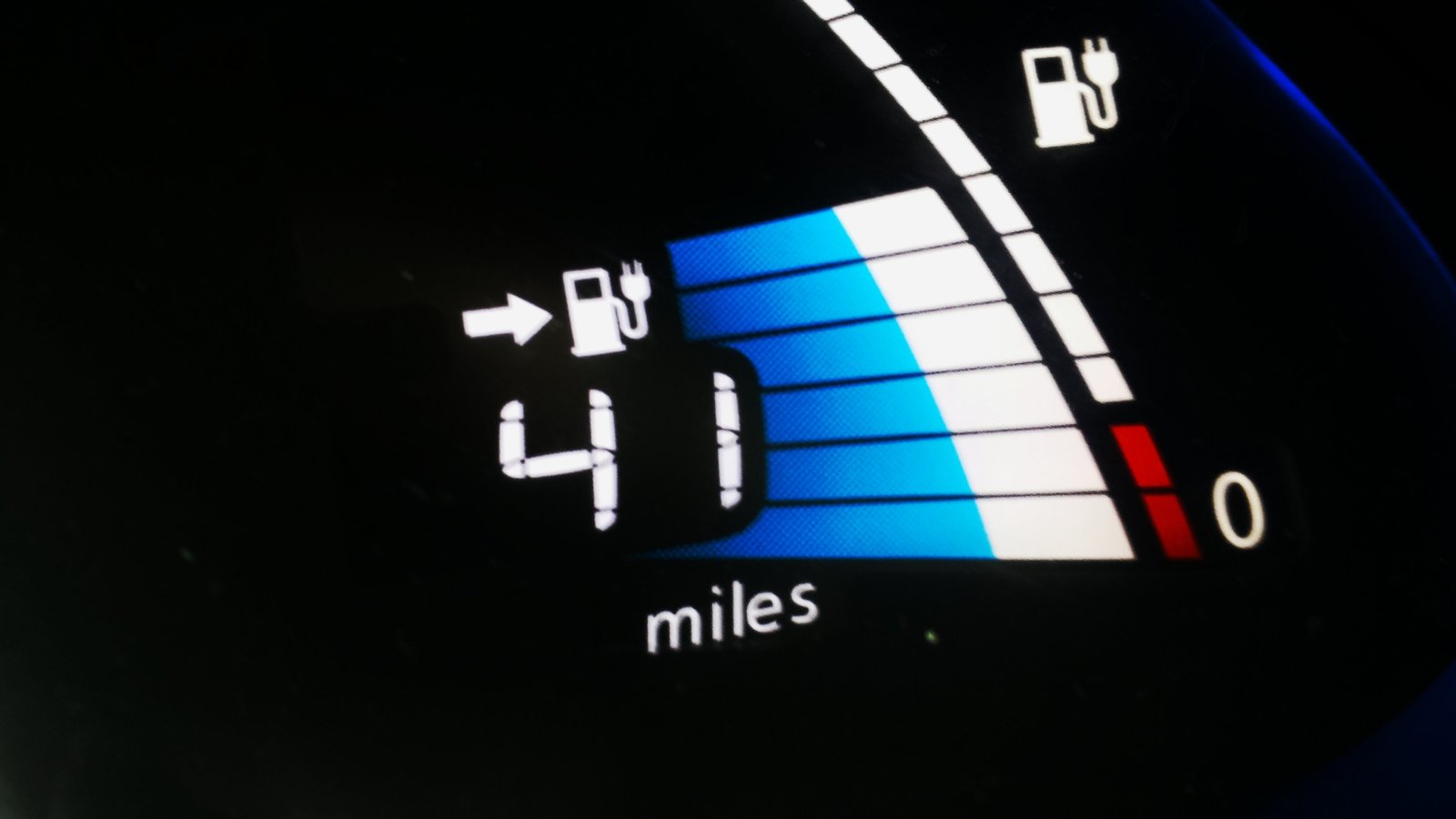
I wasn’t worried. I knew that to safely return home, I needed about 33 miles of range – a full 8 miles less that what AC/DC’s range meter indicated. I realized it would be close, partly because my journey included an approximate 10-mile stretch of 65 mph freeway – the faster a Leaf goes, the quicker it uses up the battery’s energy. I had refused to go slower than the speed limit on my way to Barton Park. I would not compromise this commitment on the way home, either. I also knew from the drive out that the predicted range of 41 miles could possibly be more like 28. If that happened, plan B would be required – stopping for a charge.

Barton Park is a beautiful, scenic spot along the Clackamas River. However, after an entire summer of scorching sunny days, Oregon had decided to bless our location shoot with inclement weather. On day one the sky was overcast, and the sun dodged in and out from clouds. Of course, it was supposed to be raining, and the shooting schedule had already been rearranged to work under the large pavilion by the river. Some scrambling by the crew took advantage of this unexpected dryness, and we finished late in the evening. Now it was time for the real adventure to begin – the drive home.
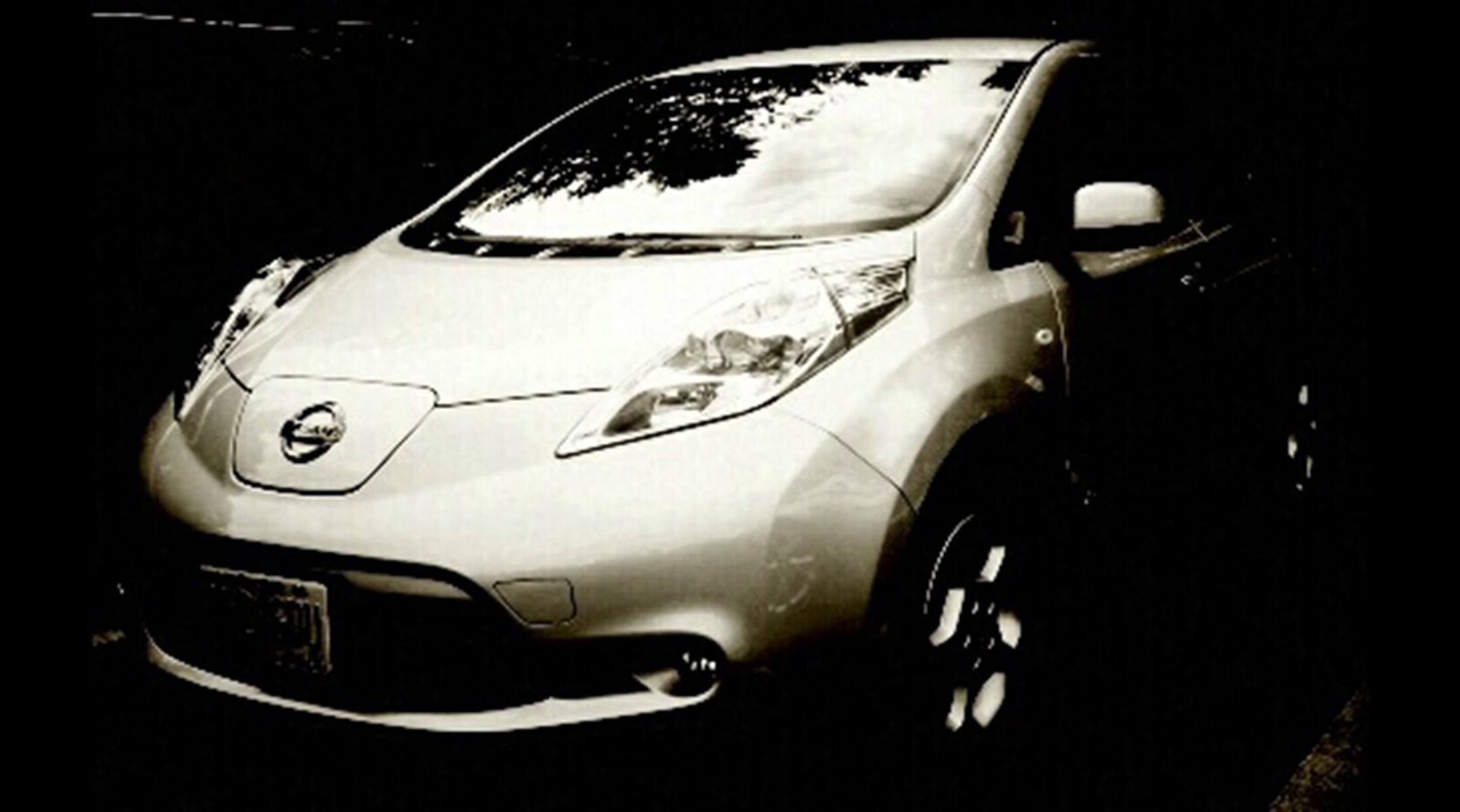
At 65 miles per hour, the amount of energy required to overcome air resistance takes its toll on the Leaf’s range.
Despite the Leaf’s 0.32 drag coefficient, designed to reduce the impact of air resistance at higher speeds, the 10-mile stretch of 65 mph driving left me wondering just how close of a call it would be. While it wasn’t nerve-wracking, watching the range quickly shrink did create a little anxiety. In the final minutes of the trip, I was pretty sure that the distance to my home was less than the range indicated. I refused to believe that I couldn’t get 65 miles out of the Leaf.
When the meter hit 6 miles, AC/DC started flashing the “6” insisting that I plug it in. “Stop driving, I’m going to run out of juice,” it seemed to say with a soft persistence.

I ignored the warnings and finally pulled into my driveway with 4 miles to spare – no crisis had materialized. However, with so few miles in reserve, I didn’t want to try this again tomorrow when it WOULD be raining like crazy, and I might need to make a detour to have dinner with the client. The margin of error was too close.

I was a little disappointed that the real-world, drop-dead range proved to be about 70 miles (65.3 + 4), instead of the glorious 88 miles the range meter had first indicated. But it wasn’t drastically out of alignment with the EPA rating of 73 miles and almost spot-on with my original guesstimate. I was also grateful that throughout the entire trip I hadn’t needed to run the heater or AC.
After all, I did want to make it home.
*2011-2012 Nissan Leafs use a 3.3kw onboard inverter providing about 12 miles of range per hour of level 2 (240V) charging. 2013 and later use a 6.6kw inverter, doubling that to 24 miles of range for every hour of charging.
ABOUT The Road Electric
